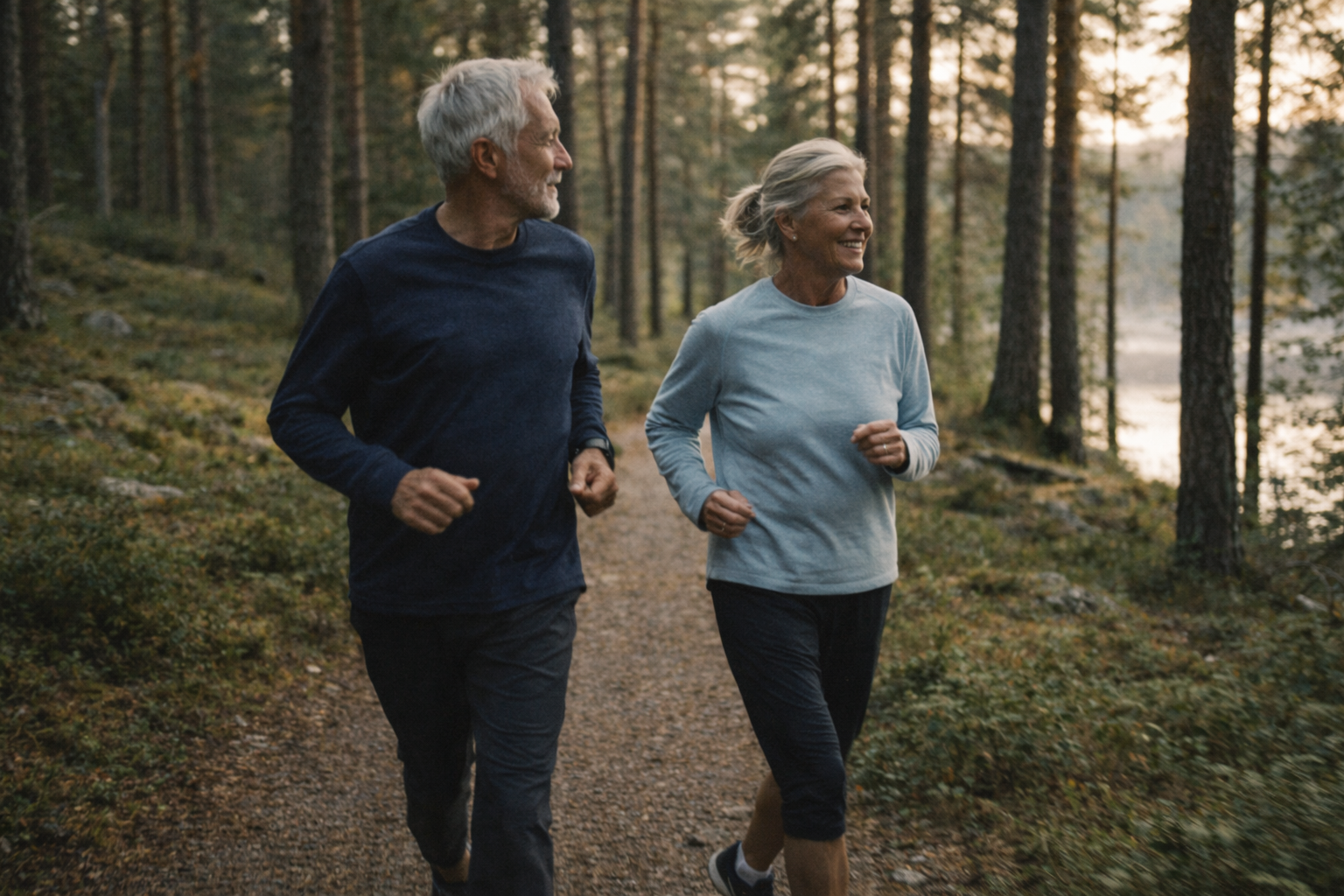
There is a statistic that stops most visitors to Finland: the country of roughly 5.5 million people has an estimated 3 million saunas. It is not a luxury there. It is closer to plumbing — something a home is expected to have.
That ubiquity is the first clue that the sauna is not a passing wellness trend. It is a practice the North has kept through war, poverty and modernisation, which usually means a culture has found something in it worth protecting.
What heat actually does to the body
Sit in a sauna at 70–100°C and your body treats it as a mild, controlled stress. Skin temperature rises quickly, heart rate climbs to something close to a brisk walk, and blood vessels widen to move heat toward the surface. For the twenty minutes you are in there, your cardiovascular system is doing gentle work while you sit perfectly still.
Researchers at the University of Eastern Finland have followed thousands of middle-aged men over decades, and their sauna studies (led by Jari Laukkanen) are the reason this ritual is now discussed in cardiology, not just in spas. Their observational work links frequent sauna use with better cardiovascular markers. It is association, not proof — people who sauna four times a week may simply live differently — but it is enough that the question is now taken seriously.
The cold half of the ritual
Ask a Finn or a Norwegian about sauna and they will almost always mention what comes after: the lake, the snow, the cold shower. The contrast is the point. Heat and cooling produce different physiological responses. The swing between the two is what people describe as the reset.
This is the part that has gone global. Search interest in "cold plunge" and "contrast therapy" has climbed sharply over the last few years, largely detached from its Nordic origins. There is nothing wrong with that — but it is worth knowing the practice was never about endurance or extremity. In its original form it is calm, social and unhurried. The bravado is a modern import.
Where a supplement honestly fits
Here is where we will be plain with you, because this is a supplement company writing about a free activity. A sauna needs nothing added to it. It works on its own.
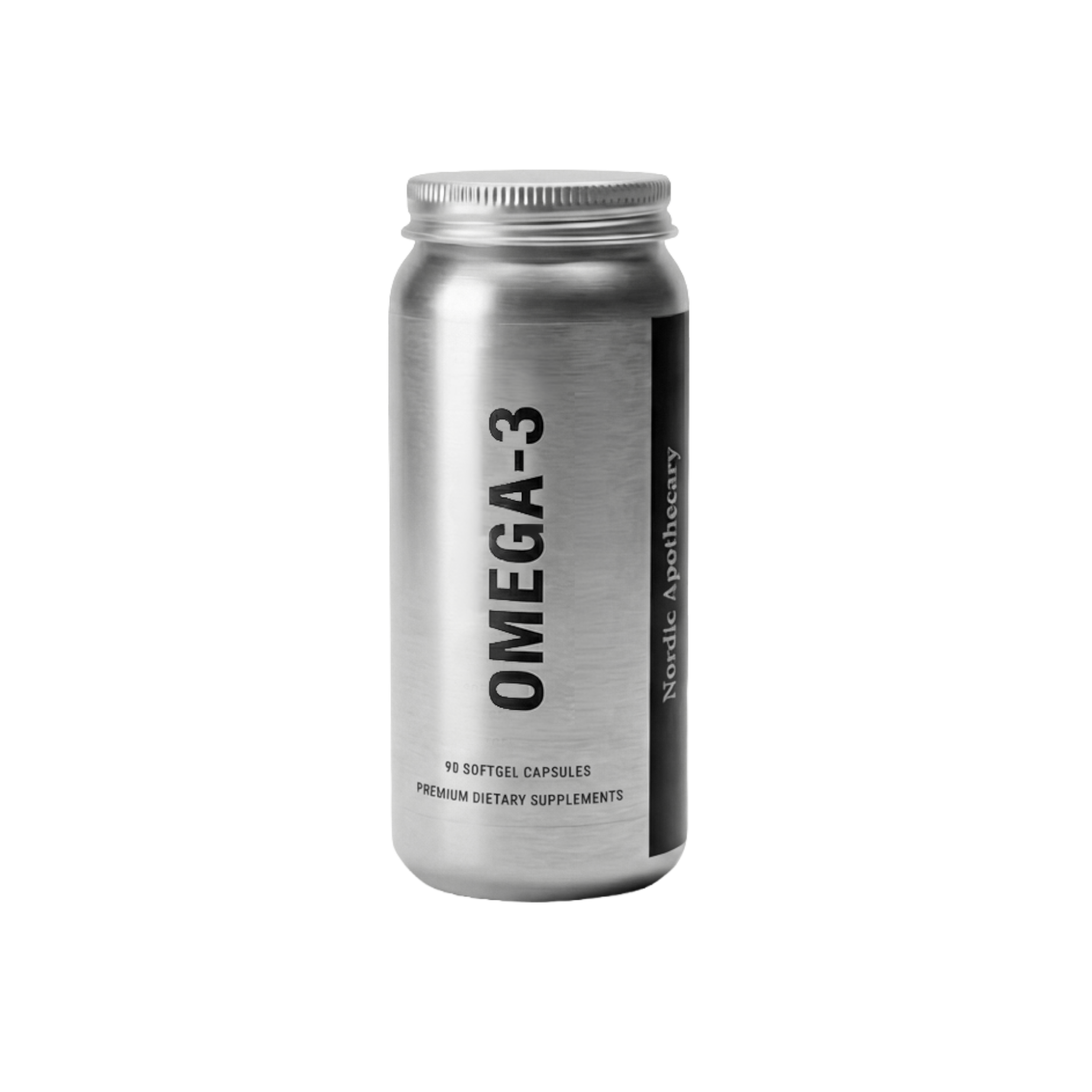
What we would say is narrower. The sauna is a fluid-loss activity, and the routines that surround it in the North — long walks, cold water, fish-heavy meals — are the actual context. If you already take omega-3 as part of a daily routine, the sauna does not change that. It simply belongs to the same category of habit: small, repeatable, unglamorous, done for years rather than weeks.
That is really the lesson worth taking from Finland. The sauna is not a treatment you complete. It is a rhythm you keep. The North did not hold onto it for two thousand years because it fixed anything quickly. It held on because it was worth returning to.
Sources and further reading
- Sauna bathing and cardiovascular health: an observational review
- Association between sauna bathing and fatal cardiovascular events
This article is educational and is not medical advice.